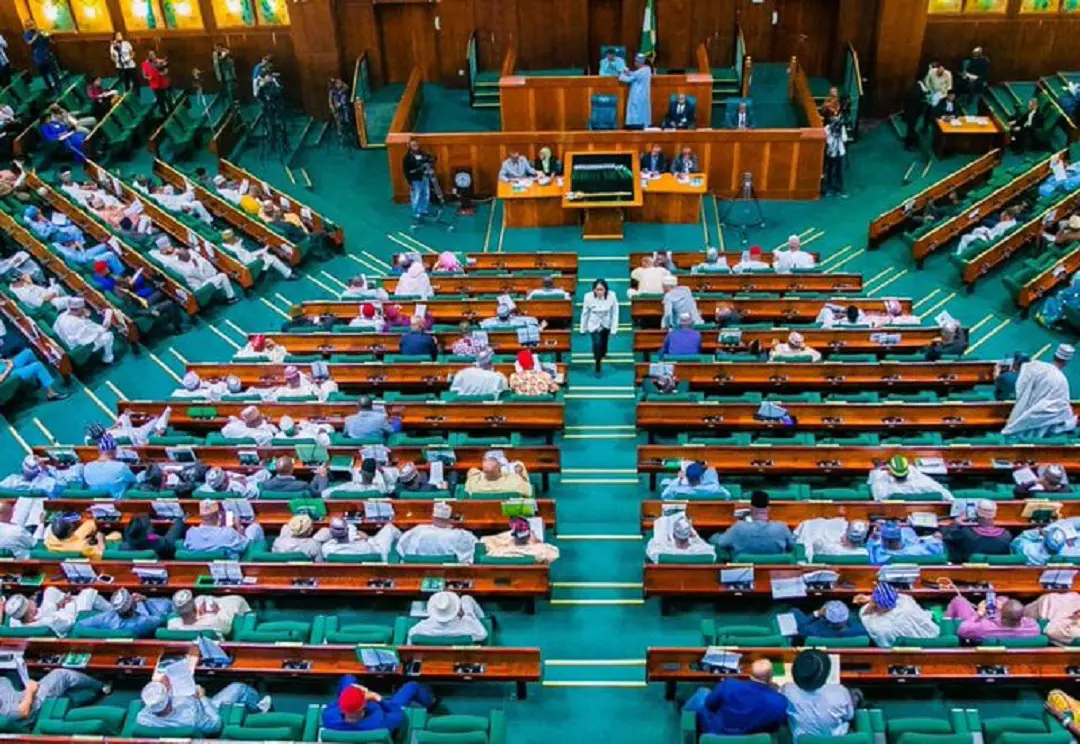
More than 100 Nigerian, African and international human rights organisations have called on the National Assembly to withdraw a series of proposed bills they say could significantly restrict civic freedoms and democratic participation ahead of the 2027 general elections.
The coalition warned that the bills, if enacted, would expand executive powers, weaken accountability and threaten constitutionally protected rights, including freedom of expression, peaceful assembly, association, media independence and access to information.
The concerns were contained in a joint petition made public in Abuja on Monday by the Executive Director of the Civil Society Legislative and Advocacy Centre (CISLAC), Auwal Musa Rafsanjani.
According to the coalition, the growing number of bills before the National Assembly reflects an increasing trend toward legislation that could narrow Nigeria’s civic space and weaken democratic institutions. The organisations argued that the proposed laws would give government wider authority over civic activities while limiting public participation and reducing institutional accountability.
“If enacted, these bills would significantly expand executive control over civic life and further undermine the rights to freedom of expression, peaceful assembly, freedom of association, media freedom, access to information, democratic participation and the rule of law,” the petition stated.
The coalition said Nigeria’s civic environment has experienced increasing pressure since May 2023. Among the issues highlighted were the prosecution of activist Omoyele Sowore, alleged actions against the Socio-Economic Rights and Accountability Project (SERAP), and what the organisations described as the use of the Cybercrimes Act against journalists, activists and government critics.
They also cited reports from international monitoring organisations, including the Committee to Protect Journalists (CPJ), alleging that journalists have faced arrests, harassment and attacks in several states and the Federal Capital Territory.
One of the key proposals criticised by the coalition is the Foreign Aids (Regulation, Transparency and Disclosure) Bill, 2026 (SB.1034).
The organisations argued that the proposed legislation would establish a Foreign Aid Regulatory Commission (FARC) with broad powers to regulate, audit, sanction and suspend non-governmental organisations receiving foreign assistance.
According to the petitioners, those responsibilities are already handled by existing agencies such as the Corporate Affairs Commission (CAC), the Economic and Financial Crimes Commission (EFCC) and the Special Control Unit Against Money Laundering (SCUML). They warned that creating another regulatory body could encourage unnecessary state interference in the operations of civil society organisations.
The coalition also objected to another proposed bill that would require social media companies to establish physical offices in Nigeria or risk being prohibited from operating in the country.
The organisations argued that such a requirement could restrict access to information, promote censorship and discourage innovation and investment within Nigeria’s digital economy. They maintained that both the Foreign Aid Bill and the social media proposal conflict with constitutional protections and Nigeria’s obligations under regional and international human rights treaties.
Citing Sections 39 and 40 of the 1999 Constitution, alongside the African Charter on Human and Peoples’ Rights and the International Covenant on Civil and Political Rights (ICCPR), the coalition stressed that any limitation on fundamental rights must satisfy the principles of legality, necessity and proportionality.
The rights groups urged the Senate President, the Speaker of the House of Representatives and members of the National Assembly to withdraw SB.1034, the proposed social media office legislation and other bills they believe could undermine civic freedoms.
They also called for broader public consultations before any reforms affecting citizens’ constitutional rights are considered. According to the coalition, lawmakers now face an important decision on whether to strengthen democratic governance or enact laws that could restrict civic participation.
The petition concluded by urging the National Assembly to reject what it described as repressive proposals and instead prioritise legislation that promotes transparency, accountability, public participation and the constitutional values essential to Nigeria’s democratic future.