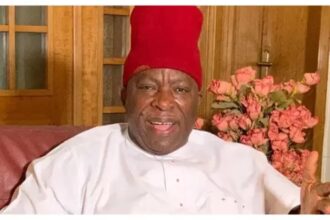

Bala Mohammed defection has triggered a major political shift in Bauchi State and beyond. Governor Bala Mohammed officially left the Peoples Democratic Party for the Allied Peoples Movement. The announcement was made during a stakeholder event at the Government House in Bauchi. The defection is positioned as a strategic move ahead of the 2027 elections.
His defection comes at a time of growing political realignments across Nigeria. As the 2027 general elections approach, several parties are repositioning. Political actors are seeking stronger platforms and alliances.
Bala Mohammed has been a key figure within the PDP. He previously served as Chairman of the PDP Governors’ Forum. His exit represents a significant development within opposition politics. The Allied Peoples Movement has remained a smaller political platform. However, recent alignments suggest efforts to strengthen its national presence. The defection signals an attempt to build alternative political structures.
Governor Mohammed announced the Bala Mohammed defection at a formal gathering in Bauchi. He described the move as “firm and strategic.”
He stated that the decision followed consultations with political associates and stakeholders. “After extensive consultation, we have taken a firm and strategic decision to join the Allied Peoples Movement,” he said.
According to him, the move is driven by the need to reposition ahead of 2027. He emphasised the importance of providing a “credible and effective political platform” for supporters. He added that leadership requires “energy and direction” to guide followers. The governor noted that remaining in the PDP no longer guarantees cohesion needed for political goals.
During the event, APM National Chairman Yusuf Dantalle formally received him. He presented the party membership card, flag, and logo to the governor. Despite leaving, Mohammed expressed appreciation to the PDP. He acknowledged the party’s role in his political journey and governance platform since 2019.
The Bala Mohammed defection could reshape political dynamics in Bauchi State. It may influence party strength ahead of the next election cycle. For political stakeholders, the move highlights increasing fragmentation within established parties. It also reflects competition among emerging platforms seeking relevance.
In the broader urban political economy, such shifts can affect policy direction. Businesses and investors often monitor political stability when making decisions. The development may also encourage further defections or alliances. Coalition building is expected to intensify as 2027 approaches.