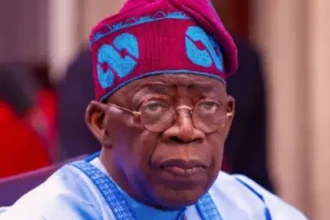
The ongoing Tinubu democratic reforms have continued to attract national attention amid growing concerns over shrinking civic space, political inclusion, and institutional balance in Nigeria. Recent policy decisions and political developments under President Bola Tinubu’s administration have generated debate among political stakeholders, analysts, and civil society groups over the direction of democratic governance in the country.
Since assuming office, President Bola Tinubu has introduced a series of political and economic reforms aimed at restructuring governance systems and repositioning the Nigerian economy. Supporters of the administration describe the changes as necessary corrective measures designed to address long-standing structural challenges affecting national development.
Several policy initiatives, including subsidy removal, fiscal restructuring efforts, and institutional realignments, have been presented by government officials as part of broader governance reforms intended to improve economic stability and administrative efficiency. However, discussions surrounding the Tinubu democratic reforms have increasingly expanded beyond economic policy into concerns about political openness, institutional independence, and democratic participation.
Political observers and civil society groups have raised concerns over what they describe as a narrowing democratic environment within the country. Critics argue that increasing political tension, rising pressure on opposition structures, and growing centralisation of influence could affect the quality of democratic engagement.
Analysts note that democratic systems rely heavily on institutional independence, active opposition participation, and the protection of civic freedoms. Concerns have also emerged regarding the relationship between political power consolidation and public trust in democratic institutions.
The debate around Tinubu democratic reforms reflects broader national conversations about how governance reforms can be balanced with democratic accountability and political inclusiveness. Some observers believe that political realignments, defections, and shifting party alliances are contributing to perceptions of reduced opposition strength within the political system.
Nigeria’s political landscape has experienced significant changes since the 2023 general elections, with multiple politicians and political blocs reassessing alliances ahead of the next election cycle. Recent defections and coalition discussions have intensified speculation about the future structure of opposition politics nationwide. Political analysts argue that strong opposition parties remain essential components of democratic systems because they provide alternative policy positions and institutional checks.
The conversation around Tinubu democratic reforms has therefore become closely connected to wider concerns about political competition, electoral balance, and the ability of opposition groups to remain effective within Nigeria’s democratic process. Observers also point to increasing political negotiations across party lines as evidence of broader strategic repositioning ahead of the 2027 elections.
The Tinubu administration continues to defend its economic reforms as necessary interventions aimed at stabilising public finances and attracting investment. Government officials have repeatedly argued that difficult policy decisions are required to address inherited structural problems within the economy.
However, rising living costs, inflationary pressure, and economic hardship have influenced public reactions to ongoing reforms. Labour unions, civil society organisations, and some political stakeholders have continued to call for stronger social protection measures and broader consultation processes.
The debate surrounding Tinubu democratic reforms therefore extends into broader discussions about governance transparency, economic inclusion, and citizen participation in public policy decisions. Economic analysts say sustained reforms may require stronger public communication and institutional trust-building to maintain long-term political stability.
Political experts say Nigeria’s democratic stability depends on maintaining strong institutions, credible electoral systems, and broad civic participation. As reforms continue, analysts stress the importance of balancing executive authority with institutional independence and public accountability.
The country’s evolving political environment is expected to shape discussions around governance, electoral reforms, and party competition ahead of future elections. The ongoing conversation highlights the complex relationship between political restructuring, governance efficiency, and democratic openness within Africa’s largest democracy.