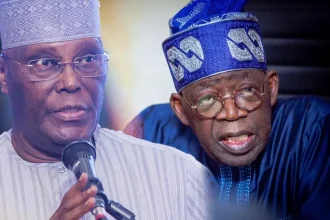

ADC presidential division has intensified as members debate candidate options ahead of 2027 elections. The African Democratic Congress is facing internal disagreements over who should lead its presidential ticket. Key figures include Peter Obi, Atiku Abubakar, and Rabiu Musa Kwankwaso. The ADC presidential division reflects growing tension within the opposition coalition.
The ADC presidential division comes after a recent Supreme Court decision that allowed the party to remain on the ballot. However, internal disputes and legal battles continue to affect stability. African Democratic Congress is currently managing multiple factions and leadership challenges.
The party has attracted several high-profile politicians through coalition efforts. These include former governors, ministers and presidential candidates. Each figure commands regional influence and loyal supporters. As the election timeline approaches, internal unity has become critical. The Independent National Electoral Commission has set deadlines for membership submission and primaries. These timelines increase pressure on the party to resolve disputes quickly.
The ADC presidential division is driven by competing interests among party members. Reports indicate two main blocs have emerged within the party. One group supports an Obi and Kwankwaso presidential ticket. Another group prefers Atiku with either Seyi Makinde or Rotimi Amaechi as running mate.
The situation reflects what observers describe as a crowded field of political heavyweights. Each aspirant believes he has the capacity to win. Party insiders also report growing dissatisfaction among long-standing members. Some claim that new entrants have taken control of party structures. This has contributed to internal friction and competition.
A recent meeting involving top figures was held in Ibadan. Participants pledged to present a single candidate against the ruling party. However, consensus on that candidate has not been reached. Analysts warn that a bitter primary contest could weaken the party. If disagreements persist, some aspirants may exit the party before elections.
The ADC presidential division highlights challenges in coalition politics within Nigeria. Internal competition may affect the party’s ability to present a unified front. For urban political observers and business stakeholders, stability within opposition parties matters. Political uncertainty can influence economic expectations and policy direction.
Entrepreneurs often monitor such developments for signals on governance priorities. Fragmented opposition could limit policy debates and reform competition. The situation also reflects broader patterns in Nigeria’s political system. Coalition-building efforts often struggle with leadership selection and internal cohesion.