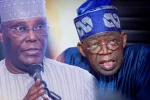
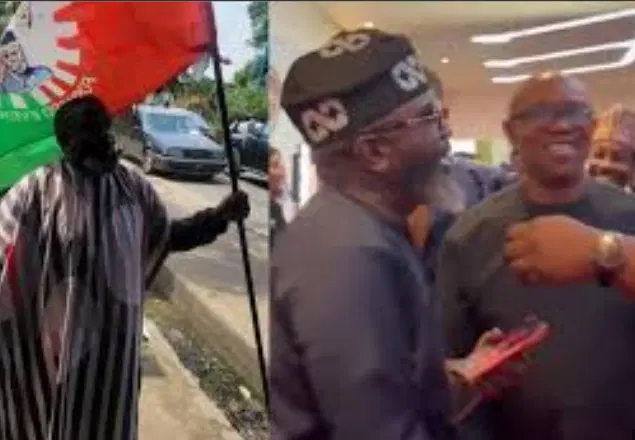
The Peter Obi 2027 debate has intensified following comments by a former Obidient supporter, Kitiya. He stated that the former Anambra State governor is “not a candidate” and “going nowhere” in the next election cycle. The remarks have added to ongoing political discussions around opposition strategy. The Peter Obi 2027 conversation continues to shape narratives ahead of the elections.
The Peter Obi 2027 discussion comes amid shifting political alignments across opposition parties. Obi, a former Labour Party presidential candidate, remains a prominent figure in national politics.
After the 2023 elections, internal disputes affected the Labour Party’s structure. These tensions contributed to uncertainty within the opposition space. Analysts have linked such divisions to broader realignment efforts ahead of 2027.
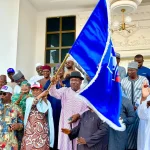
Obi later joined the African Democratic Congress as part of a wider coalition. This move was seen as an attempt to strengthen opposition coordination. The evolving coalition landscape continues to influence political positioning nationwide.
Kitiya, identified as a former member of the Obidient movement, made the statement during public commentary. He argued that Obi is not currently positioned as a viable candidate for 2027.
The remarks contrast with positions held by key figures within the Obidient movement. Supporters have repeatedly affirmed their commitment to Obi’s presidential ambition. They insist he remains their preferred candidate for the 2027 election. Obi himself has previously stated his intention to contest for the presidency. He also rejected suggestions that he would accept a vice-presidential role.
The Peter Obi 2027 debate reflects differing views within political and supporter circles. While some question his political pathway, others maintain confidence in his candidacy. Political observers note that such public disagreements often emerge during coalition building. They highlight the role of internal cohesion in shaping electoral outcomes.
The Peter Obi 2027 discourse signals ongoing fragmentation within opposition networks. Diverging opinions among supporters may influence campaign mobilisation. For Nigeria’s urban political economy, leadership clarity affects policy expectations. Entrepreneurs and investors often monitor political stability ahead of elections.
The debate may also shape voter perception, particularly among young and urban populations. Obi’s support base has historically drawn from these demographics. As opposition groups attempt to consolidate, internal narratives will play a key role. Consistent messaging and alignment remain critical for electoral competitiveness.