The Deputy Inspector-General of Police in charge of Finance and Administration and Supervising the North-West, Suleiman Mohammad Abdul, has called for stronger collaboration between citizens and security agencies to address banditry and other criminal activities affecting Sokoto State and the wider North-West region.
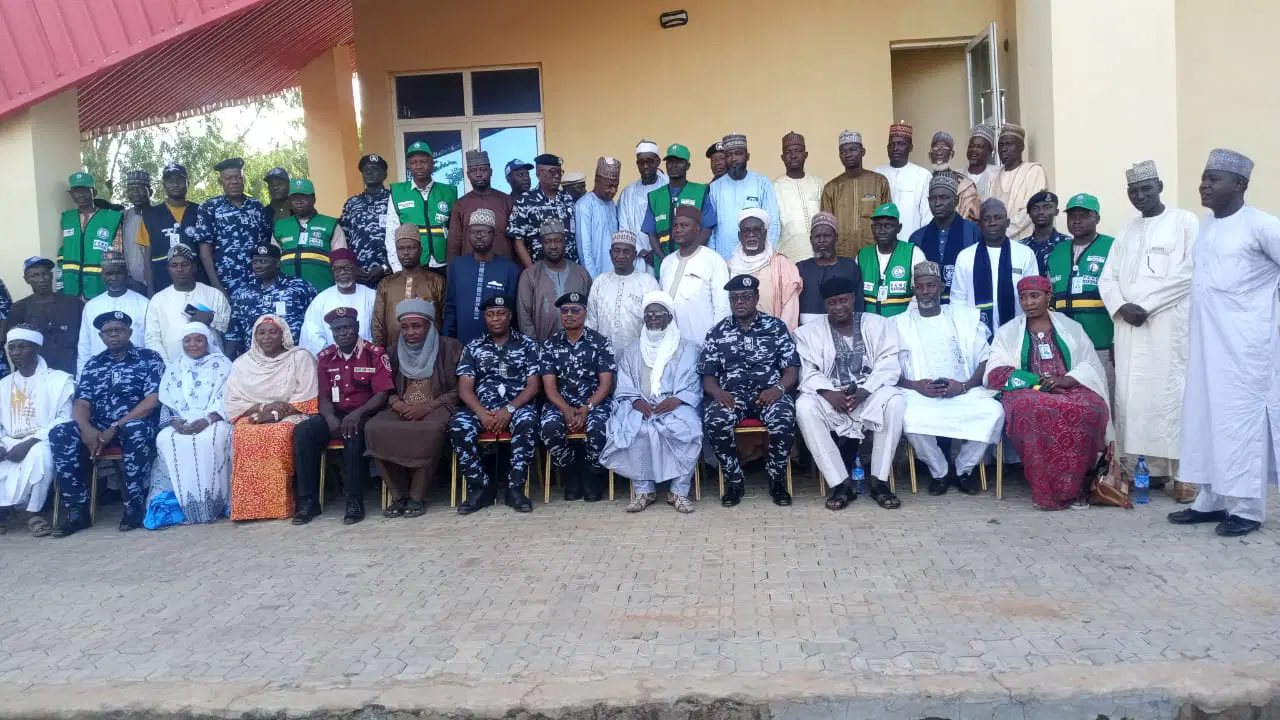
Abdul made the appeal during an interactive meeting with community leaders, religious leaders, civil society groups, youth organisations, and other stakeholders at the Sokoto State Police Command Headquarters. He stressed that sustainable security cannot be achieved through law enforcement efforts alone, emphasizing that a robust community security partnership is essential for lasting peace.
Speaking at the gathering, the DIG said communities must take greater ownership of security by improving vigilance, sharing intelligence, and working closely with law enforcement agencies.
“We are here because security is not the responsibility of the police alone. It is a shared responsibility. While our officers confront criminals on the frontlines, lasting peace can only be achieved through united, vigilant and resilient communities,” he said.
Abdul described Sokoto as the historic seat of the Caliphate and a symbol of peace, justice, and communal harmony. He noted that the state’s strategic location makes it a critical part of efforts to restore stability across the North-West and Nigeria as a whole.
The DIG warned that Sokoto’s extensive international border and vast rural landscape present significant security concerns. These include illegal arms trafficking, cross-border crimes, infiltration by criminal elements, and the activities of informants supporting bandits and kidnappers.
According to him, the Nigeria Police Force is repositioning its engagement with communities around three priorities: rebuilding public trust, strengthening intelligence gathering, and dismantling criminal networks through active citizen participation.
He urged traditional rulers to remain vigilant and report suspicious activities promptly, describing them as leaders closest to local communities. Religious leaders were also encouraged to promote peace and discourage young people from joining criminal groups or acting as informants.
Addressing youths directly, Abdul urged them to reject criminality and participate in neighbourhood watch programmes, community policing initiatives, and productive economic activities that contribute to social development.
Earlier, Commissioner of Police Hayatu Hassan Shaffa described the DIG’s visit as a boost to efforts aimed at improving operational effectiveness within the command.
Reviewing achievements since assuming office in March, Shaffa disclosed that police operations led to the recovery of seven AK-47 rifles, four locally fabricated rifles, three locally made pistols, 12 Dane guns, 153 rounds of ammunition, and 15 magazines.
He further revealed that 310 rustled animals were recovered, 32 kidnapped victims rescued, four bandits neutralised, and three suspected informants arrested. Several other suspects linked to different crimes were also apprehended.
Despite these successes, Shaffa identified manpower shortages, logistical constraints, inadequate operational equipment, and emerging cybercrime threats as challenges requiring urgent attention. The commissioner thanked the Sokoto State Government, traditional institutions, and community stakeholders for their support, noting that intelligence sharing and public cooperation have strengthened policing efforts.
As authorities continue efforts to combat insecurity, stakeholders at the meeting agreed that a stronger community security partnership remains one of the most effective tools for improving intelligence gathering, restoring public trust, and building safer communities across Sokoto State.