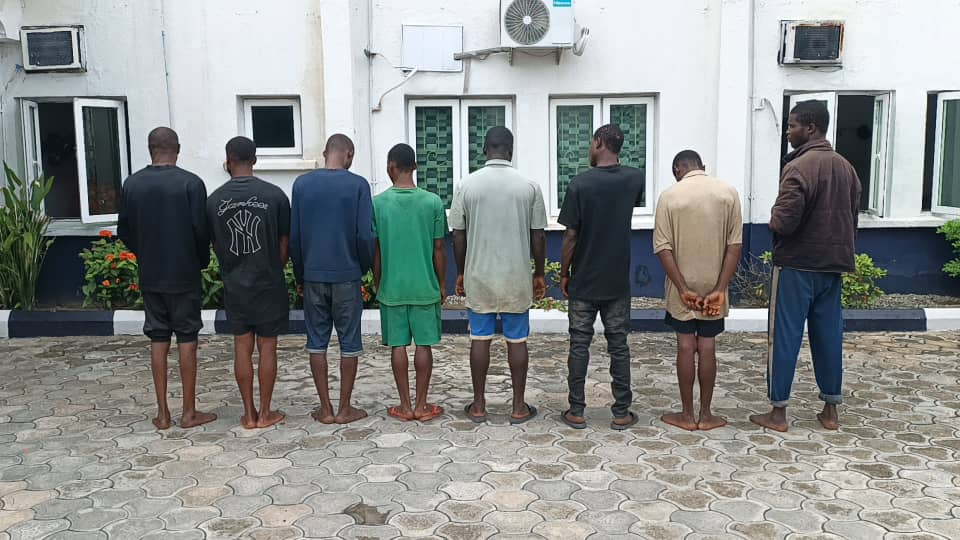
Nigeria’s fight against Crude Oil Theft continues to face major challenges as security agencies struggle to identify and prosecute the key figures behind illegal operations. The Chief of the Naval Staff, Vice Admiral Idi Abbas, says most suspects arrested during anti-theft operations are low-level workers with little knowledge of the criminal networks directing activities from behind the scenes.
Speaking on Channels Television’s Sunrise Daily on Friday, Abbas explained that oil theft syndicates operate through highly structured networks designed to conceal their leaders. According to him, those apprehended at illegal refining sites are often individuals recruited for small payments, while the main beneficiaries remain hidden from law enforcement agencies.
“Most of the faces behind these thefts are not really known or are not the ones we always catch. The ones we get at most of the illegal refinery sites are just being given some paltry sum, while the big masquerades are the ones that make the real money,” he said.
The Naval Chief noted that this structure creates significant obstacles for investigators and prosecutors. Even when arrests are made, suspects frequently possess limited information that could help authorities trace the organisers financing and coordinating the operations.
“In trying to prosecute some of these people that we get, some of them don’t even know who they are working for. So, the network is a very delicate one,” he added.
Despite these difficulties, Abbas said security agencies are adjusting their tactics to match the changing methods used by criminal groups involved in Crude Oil Theft. He highlighted technology as a critical component of current enforcement efforts across Nigeria’s oil-producing regions.
“As they are evolving strategies, we are also evolving new strategies. Like I keep saying, technology is the way forward. With that, we have been able to reduce the level of theft,” he stated.
According to the Naval Chief, improved surveillance systems, intelligence gathering, and coordinated monitoring have strengthened enforcement activities in coastal and riverine communities. These measures have helped security agencies identify illegal operations more effectively and respond faster to emerging threats.
Crude oil theft remains a major economic challenge for Nigeria. The activity contributes to billions of naira in lost revenue annually and causes environmental damage across many host communities in the Niger Delta. Illegal refining activities have also been linked to pollution of waterways, destruction of farmlands, and health concerns for residents.
Abbas, however, maintained that progress is being made in protecting maritime assets and reducing criminal activity in strategic waterways.
“As it stands today, I can say that our coastal areas and the riverine areas are relatively safe,” the Naval Chief stated.
He added that illegal oil bunkering and sea robbery incidents have reduced significantly, although isolated cases still occur.
“What we are contending with mostly there is the issue of crude oil theft and some pockets of sea robbery, which we are able to curtail,” he said.
To strengthen prosecution efforts, Abbas proposed the establishment of a dedicated court for maritime offences. He argued that specialised judicial processes would accelerate trials, reduce operational costs, and improve accountability. The Navy, he noted, currently spends substantial resources maintaining seized vessels while awaiting lengthy court proceedings.
The Naval Chief reaffirmed that sustained collaboration among security agencies, host communities, and industry stakeholders remains essential to dismantling Crude Oil Theft networks and protecting Nigeria’s critical economic assets.