
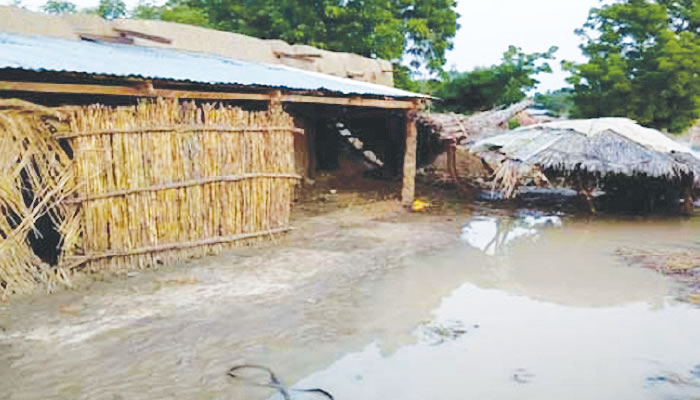
The disease crisis in Zamfara has worsened as the rainy season intensifies across the state, with Médecins Sans Frontières (MSF) warning of rising illness, deepening hunger, and worsening access to healthcare. The humanitarian organisation said flooding, malnutrition, and weak health infrastructure are combining to heighten risks for vulnerable communities, especially children and pregnant women.
Zamfara State is facing renewed pressure on its already fragile healthcare system as seasonal rains continue to affect rural and semi-urban communities. MSF reports indicate that the rainy season has significantly increased cases of preventable diseases, particularly in areas with limited access to clean water and functional health facilities.
According to the organisation, the disease crisis in Zamfara is being driven by a combination of malnutrition, infectious diseases, and poor sanitation conditions worsened by flooding. Health facilities in several communities are reportedly overstretched, with limited staff and insufficient medical supplies to manage rising patient numbers.
MSF noted that children under the age of five remain the most affected group, with increasing admissions linked to severe acute malnutrition and waterborne diseases. Pregnant women are also among those at higher risk due to reduced access to maternal healthcare services.
Flooding during the rainy season has disrupted road networks and limited movement across several communities in Zamfara State. This has made it difficult for patients to reach health centres, while also affecting the delivery of medical supplies and humanitarian support.
The organisation also highlighted worsening food insecurity as a major factor contributing to the crisis. Many households are reportedly struggling with reduced food availability and declining purchasing power, leading to increased malnutrition cases among children.
MSF said the combination of hunger and disease is placing additional strain on already vulnerable families. In several areas, poor drainage systems and contaminated water sources are accelerating the spread of diarrhoeal diseases and malaria.
The worsening health situation is having a direct impact on daily life in affected communities. Families are increasingly forced to travel long distances to access medical care, often through difficult terrain worsened by seasonal rains.
Children are missing school due to illness and malnutrition-related complications, while farming activities have also been disrupted by flooding. Since many households depend on subsistence agriculture, reduced harvests are further worsening food shortages and household income levels.
The disease crisis in Zamfara is therefore not only a health emergency but also an economic and social challenge affecting livelihoods across rural communities.
MSF continues to provide emergency medical care and nutritional support in several parts of Zamfara State. The organisation has deployed mobile clinics to reach remote settlements and is treating cases of severe malnutrition and infectious diseases.
Humanitarian workers are also supporting community-based nutrition programmes aimed at stabilising children at risk. However, MSF warned that continued rainfall and limited infrastructure remain major obstacles to sustained healthcare delivery.
Other humanitarian actors have called for improved access to clean water, sanitation facilities, and stronger primary healthcare systems to reduce seasonal disease outbreaks.
Health experts warn that the situation could worsen if current conditions persist. Continued rainfall may further disrupt access to healthcare services, while food insecurity could deepen malnutrition rates across affected communities.
The crisis in Zamfara highlights the urgent need for long-term investment in healthcare infrastructure, water systems, and food security programmes. Without sustained intervention, humanitarian needs are expected to remain high throughout the rainy season.