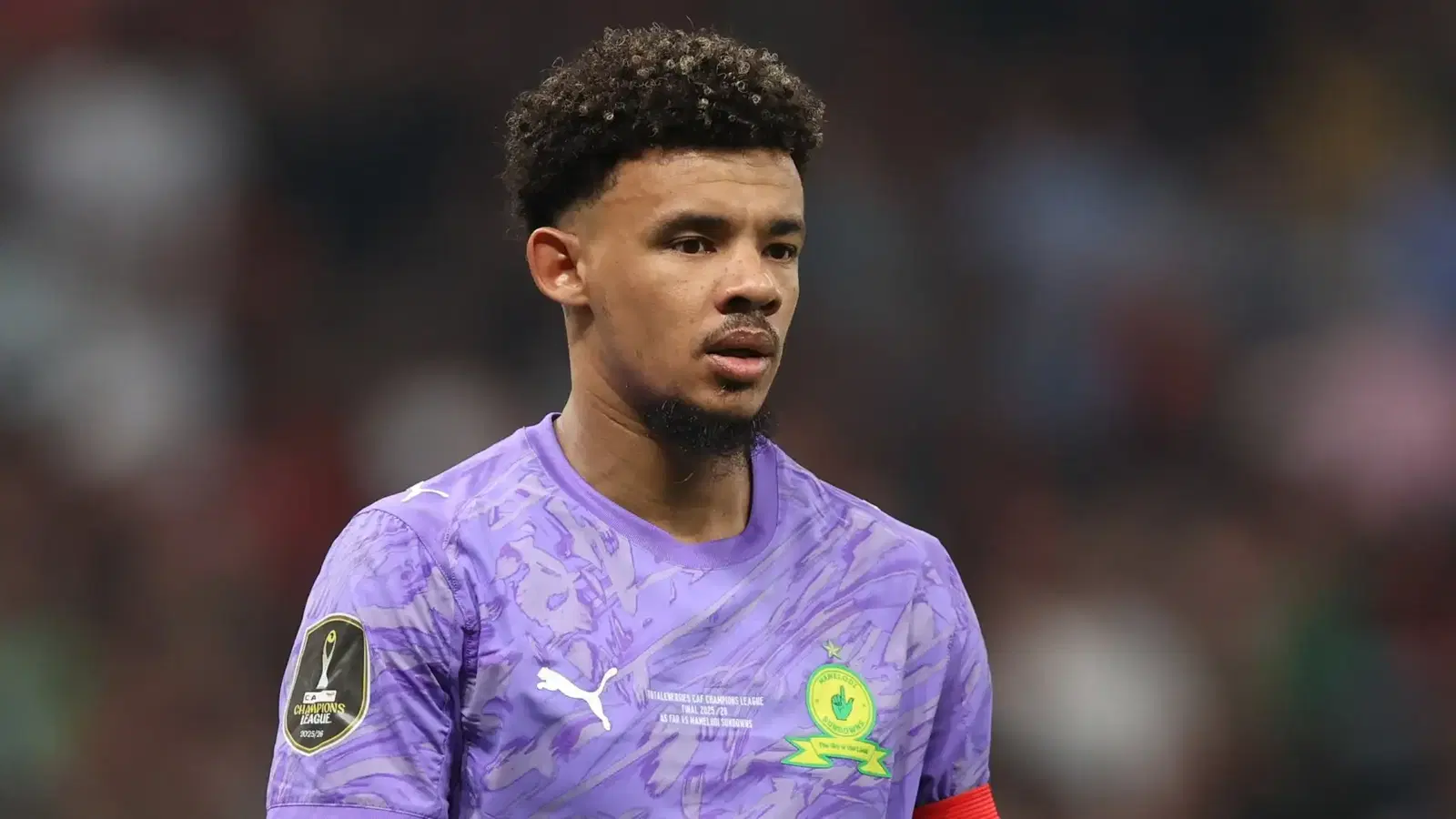
African football unity has become a talking point following South Africa’s opening defeat at the 2026 FIFA World Cup, with captain Ronwen Williams expressing disappointment over what he described as limited support from fellow Africans during Bafana Bafana’s clash against Mexico.
South Africa suffered a 2-0 loss to the tournament co-hosts on Thursday night, a result that leaves the team facing a difficult path in Group A as it seeks qualification for the knockout stages. Beyond the result itself, Williams’ post-match remarks have sparked wider conversations across the continent.
Reflecting on the defeat, the South African goalkeeper said he expected stronger backing from African football supporters during the competition. He noted that African nations have traditionally rallied behind one another at major international tournaments.
“Africans have always supported other African countries in every World Cup tournament, but I can’t figure out why our own case is different,” Williams said.
“Many Africans supported Mexico, not us, the South Africans. We almost shed tears, but it’s truly sad. As Africans, let’s stand for each other; let’s stand together.”
The comments quickly generated debate on social media, where discussions extended beyond football to broader issues affecting relationships between African countries. While some users agreed with Williams and called for greater African football unity, others argued that historical tensions have complicated continental solidarity.
Supporters of Williams’ position said African representatives at global tournaments should receive backing regardless of national rivalries. They argued that success for one African team often reflects positively on the continent as a whole and can inspire future generations of athletes.
However, many social media users from countries including Nigeria, Ghana, Kenya, and Zimbabwe pointed to previous reports of xenophobic attacks against African migrants in South Africa. According to these commentators, such incidents have influenced perceptions of the country among citizens of other African nations.
Several users openly admitted supporting Mexico during the match. Some stated that concerns surrounding the treatment of foreign African nationals in South Africa played a role in shaping their loyalties during the fixture.
The reaction highlights how sporting events can often reignite discussions about social and political issues beyond the playing field. In this case, conversations surrounding African football unity quickly evolved into wider debates about migration, regional cooperation, and mutual respect among African countries.
For football administrators and continental sporting bodies, the discussion underscores the importance of strengthening relationships among African nations both on and off the field. Sporting competitions frequently serve as platforms for promoting shared identity and continental pride.
Meanwhile, South Africa must quickly refocus on its World Cup campaign. With Group A qualification hopes still alive, Bafana Bafana will need positive results in upcoming fixtures to remain in contention for a place in the knockout rounds.
As the tournament progresses, the debate surrounding African football unity is likely to continue. While opinions remain divided, Williams’ remarks have drawn attention to the broader question of how African nations can build stronger solidarity during major international events.
For many observers, the discussion reflects the growing intersection between sports, identity, and regional relationships in modern African football.