
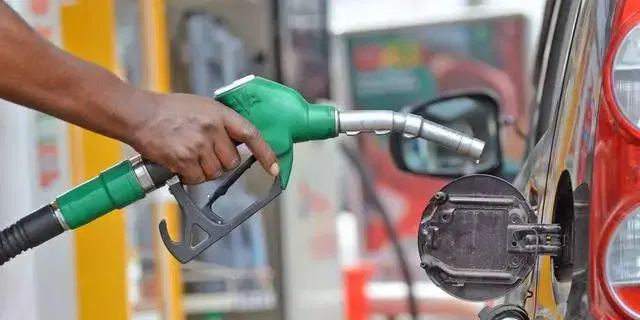
The Dangote petrol price has been reduced from N1,275 per litre to N1,250 per litre following a fresh adjustment by the Dangote Petroleum Refinery. The reduction represents a N25 decrease in the refinery’s gantry price and comes amid declining global crude oil prices, which continue to influence fuel pricing within Nigeria’s deregulated downstream petroleum market.
The Dangote Petroleum Refinery confirmed the reduction in its ex-depot price for Premium Motor Spirit (PMS), commonly known as petrol. The adjustment lowered the cost from N1,275 per litre to N1,250 per litre, representing a two per cent decline.
Industry sources attributed the price review to developments in the international crude oil market, where lower prices have affected refining costs globally. The refinery’s pricing decision reflects current market realities and ongoing efforts to align product pricing with changing economic conditions. The latest Dangote petrol price adjustment is expected to attract attention from marketers, transport operators, manufacturers, and consumers who continue to monitor fuel cost movements across the country.
The reduction comes at a time when Nigeria’s downstream petroleum sector is experiencing increased competition following the expansion of local refining activities. Since the deregulation of petrol pricing, market forces have played a more significant role in determining fuel costs.
Analysts say changes at the refinery level often influence broader market pricing trends. However, they note that retail pump prices may not immediately reflect the new rate because many marketers still hold inventory purchased at previous prices. The revised petrol price could eventually affect supply chain costs if distributors and filling stations pass on the reduction to end users. Such adjustments may provide some relief for businesses and households dealing with high transportation and operating expenses.
Despite the reduction at the refinery gate, pump prices remain higher in many parts of the country. Fuel continues to sell at varying rates depending on transportation costs, distribution expenses, and individual marketer pricing strategies.
Industry experts explain that reductions in ex-depot prices typically require time before translating into lower retail prices. Existing stock levels and logistics costs often influence how quickly changes are reflected at filling stations. The new Dangote petrol price is therefore expected to have a gradual impact across the distribution chain rather than an immediate nationwide effect.
The Dangote Petroleum Refinery remains one of the largest refining projects in Africa and continues to play an increasingly important role in Nigeria’s energy supply chain. With a refining capacity of 650,000 barrels per day, the facility was established to reduce dependence on imported petroleum products and strengthen domestic supply.
Industry stakeholders believe local refining capacity has contributed to improved product availability and reduced pressure on foreign exchange demand associated with fuel imports. The latest Dangote petrol price reduction further highlights the refinery’s growing influence on pricing dynamics within Nigeria’s downstream petroleum sector.
Fuel prices remain a critical economic factor because they affect transportation, logistics, food distribution, manufacturing, and household spending. Any sustained reduction in petrol costs can potentially lower operating expenses for businesses and ease inflationary pressures across key sectors.
Economic analysts say continued stability in global oil markets could create opportunities for additional price adjustments if market conditions remain favourable. However, broader economic factors such as exchange rates and distribution costs will continue to influence final retail prices. The reduction in Dangote petrol price may therefore offer modest relief to consumers while reinforcing competition within the domestic fuel market.